Handling a Plague, Transforming a City
The Story of S.R.Rao

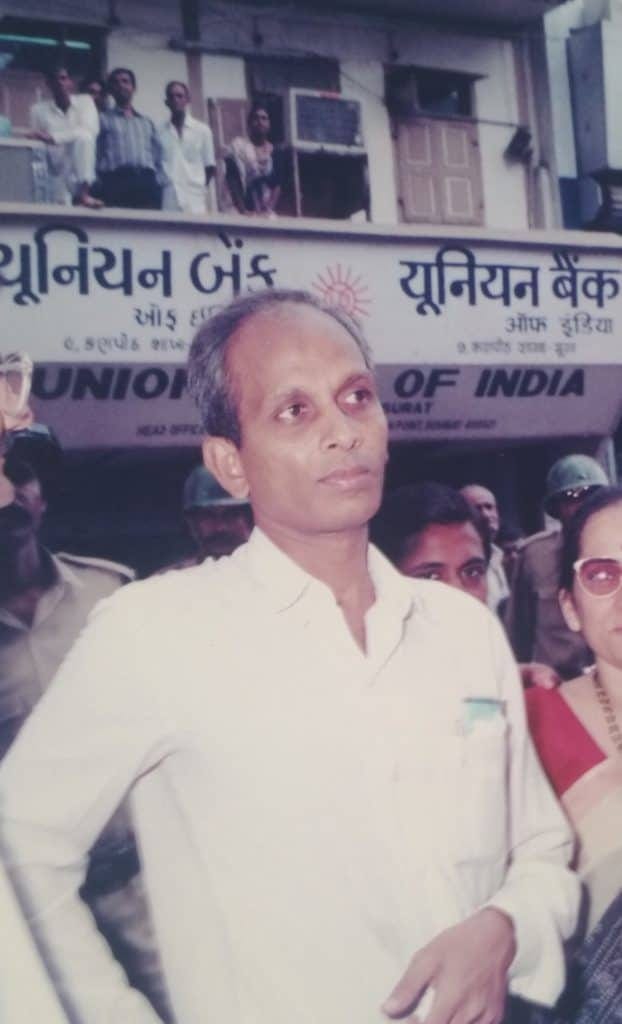
On a fateful day in May 1995, Suryadevra Ramachandra Rao of the Indian Administrative Service took over as the new Municipal Commissioner of Surat in Gujarat, India. Surat is a city known for its diamond industry. He did not really want that job, because he knew what awaited him there. What he did there, however, remains a remarkable story.
Like any other Indian city, Surat too had its clean colonies and also stinking slums, dirty drains, and garbage in many places. In 1994, however, it ran into a major crisis: Pneumonic plague descended on the city.
During the monsoon that year, it had rained continuously for two months. The downpour led to flooding and large-scale waterlogging in low-lying areas due to a faulty drainage system. Hundreds of cattle and other animals died in the floods. In September, the whole system gave way, inviting the plague.
The northern part of the city, which was affected the most by the plague and from where the maximum number of deaths were reported, did not have access to any type of sewage system. Despite being one of the richest civic bodies in the country, the Surat Municipal Corporation (SMC) had failed to provide basic sanitation and clean drinking water to a majority of the city’s population.
The plague itself caused only 50 deaths and affected 150 others. The media attention, however, bloated it out of proportion. In a matter of days, Surat became a shunned city, and 60% of the citizens fled. The economy was devastated with a loss of several million rupees a day. Some of the international flights to India were temporarily suspended, and the export of food grains from Surat was banned. Gradually, however, the plague scare subsided and normalcy began to return.
Until December 1994, there was a modicum of restraint among the citizens, and garbage was not thrown on the streets. However, by January 1995, the old habits asserted themselves with a vengeance, and the city was filthy as ever. The strange fact is that the occurrence of plague was not the trigger point for transformation. A miracle was to happen, however, through S.R.Rao.
Faced with a city traumatized by the plague and a state government cringing over the adverse publicity, Rao set to work. When he left Surat two years later, it was ranked as the second cleanest city in India, after Chandigarh.
Rao first formed a team of officers from different departments. He made them work together and gave them the freedom to make quick decisions. He asked senior officers to spend more time on the streets. Rao himself went to the filthiest of slums and the dirtiest of the restaurants.
The team built common water and sanitation facilities in many of the slums. Soon, most people had toilets. Rao established health centers and also ensured cleanliness in all restaurants and cafes. Every night, workers cleaned the streets and cleared the bins. The people awoke to a clean city each morning. The disease rate went down sharply.
Rao also started a “Surat First” program to involve citizens, businesses, and institutions in working for the city’s welfare. The citizens began to cooperate with the Corporation. The municipal workers earned the citizens’ respect and were proud to continue the work.
Rao himself went to the filthiest of slums and the dirtiest of the eateries. He took on the politically influential builders’ lobby, with its huge disposable incomes. The initial skepticism of the citizens gave place to a spirit of cooperation when they saw that the Corporation meant business.
The level of sanitation improved from 35% to 95%, while solid waste removal increased from 40% to 97%. The disease rate went down by 70%. In fact, rag pickers lost their business.
The most crucial thing Rao did was to put a system in place. He made the civic staff realize how a proper use of their powers would earn them respect. Later, it became a matter of prestige for the civic staff to continue the work that was started after the plague.
Rao received the civilian award of Padma Shri in 1998. He has now retired from the civil service.
Afterword: This story shows how much good a dedicated and determined bureaucrat can do even under challenging circumstances.
I understand that Setu Films made a documentary film on Surat entitled Blessed by the Plague, but I have not located it so far.